
Labral Tears & SLAP Injuries
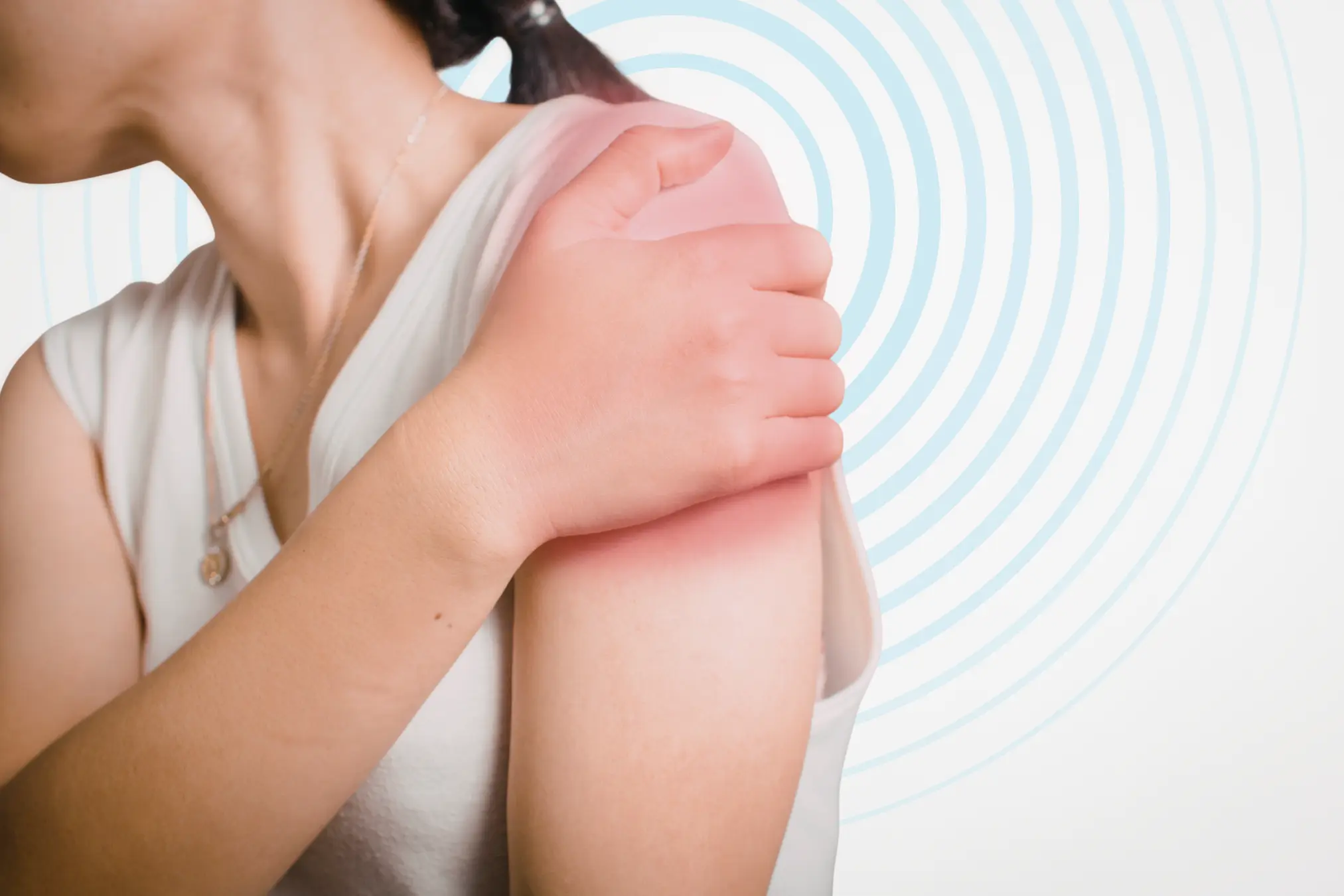
Labral tears and SLAP (Superior Labrum, Anterior to Posterior) injuries are common causes of deep-seated shoulder pain and instability. Because the symptoms often feel identical to a shoulder muscle tear, many patients spend weeks treating the wrong issue before seeking a specialist’s opinion.
Dr. Michael Sirignano provides expert diagnosis and advanced treatment for labral injuries, helping athletes and active adults in Western North Carolina return to peak performance.
What Is a Labral Tear or SLAP Injury?
The labrum is a ring of tough, fibrous tissue (cartilage) that lines the shoulder socket. It serves two vital purposes: it deepens the socket to keep the ball of your arm bone centered, and it acts as an anchor point for several ligaments and the biceps tendon.
A SLAP injury occurs at the top of the socket where the biceps tendon meets the labrum. While many patients come in suspecting a shoulder muscle or rotator cuff tear, a labral injury is actually an issue with the gasket of the joint rather than the muscle fibers themselves.
Common Symptoms
The challenge with a labrum injury is that the pain often feels like it is coming from the muscles surrounding the joint. Patients frequently search for shoulder muscle tear symptoms only to find that their discomfort persists even with rest.
Key signs of a labral or SLAP tear include:
- A deep, aching pain that is hard to point to from the outside
- A “catching” or “locking” sensation during certain movements
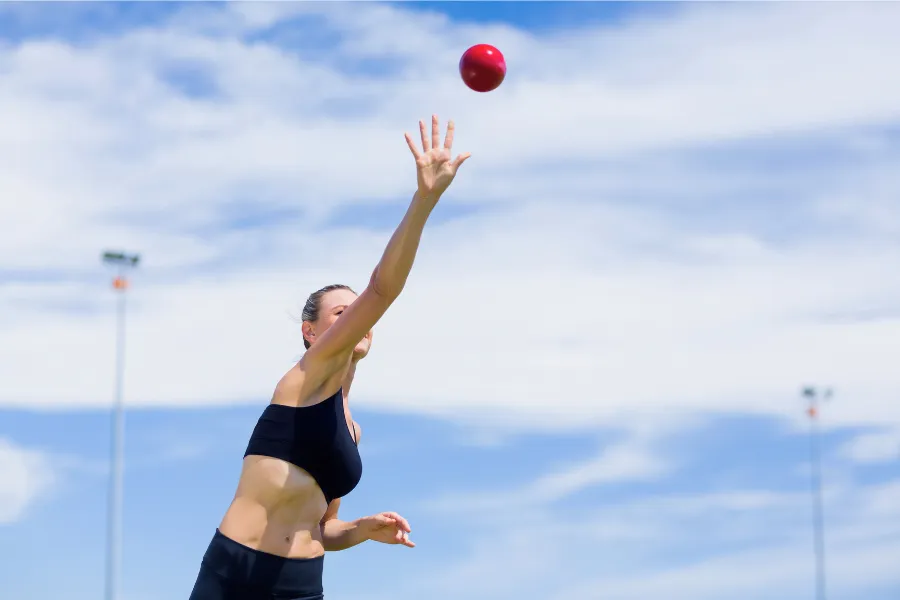
- Pain when reaching overhead or throwing a ball
- Feeling as though the shoulder is loose or unstable
- A weakened or even “dead” feeling arm while playing overhead sports
Causes & Risk Factors
- Repetitive overhead motion common in overhead athletes (pitchers, tennis players, and swimmers)
- Acute trauma, like falling on an outstretched hand or bracing during a car accident.
- Heavy lifting or a sudden jerk while lifting a heavy object
- Wear and tear as the labrum becomes more brittle with age
Diagnosis: Is it a Labrum or a Muscle Tear?
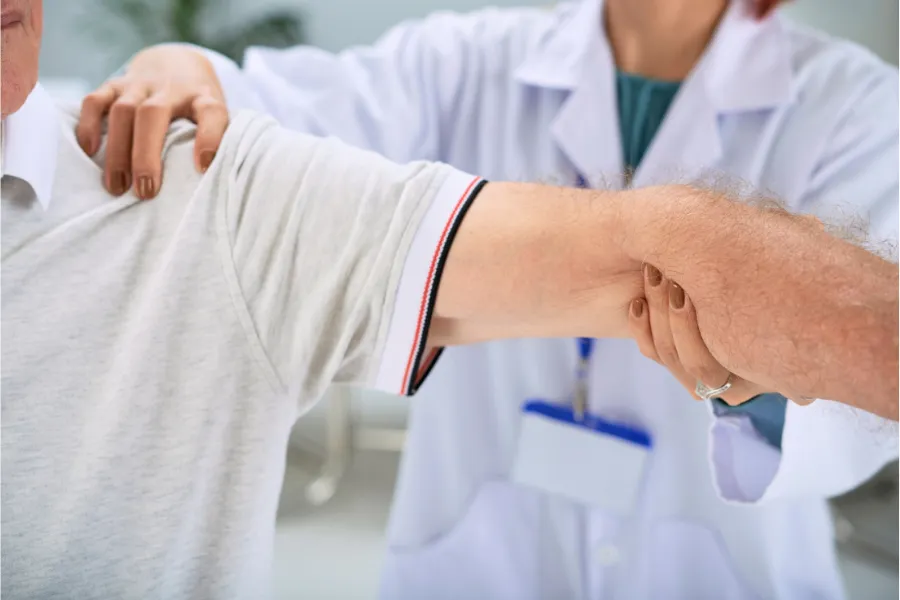
Because a shoulder muscle tear and a labral tear can both cause significant weakness, a professional evaluation is essential. Dr. Sirignano uses specific clinical tests to stress the labrum and determine the source of your pain.
- Physical examination to test for stability and the “click” associated with SLAP lesions
- MRI arthrogram (where contrast dye is injected) to get a clear view of the cartilage
- X-rays to ensure there are no bone spurs or fractures
Treatment Options
Non-Surgical Treatments
For many patients, the goal is to stabilize the joint without surgery.
- Specialized physical therapy, which will strengthen the rotator cuff muscles to take the pressure off the torn labrum
- Activity modification, such as avoiding high-risk movements
- Anti-inflammatory care, including medications or injections
Surgical Treatments
If the joint remains unstable or the catching affects your work or play, Dr. Sirignano may recommend arthroscopic labral repair. Using tiny incisions and a camera, he can re-anchor the torn labrum back to the bone using specialized sutures.
What to Expect After Treatment
Whether you choose conservative care or surgery, recovery is a phased process:
- Initial protection. If surgery is performed, you will likely be in a sling for 4-6 weeks to allow the cartilage to heal back to the bone
- Restoring motion. Guided physical therapy begins early to prevent frozen shoulder
- Return to sport. For SLAP repairs, a return to full throwing or heavy overhead lifting typically occurs between 4 and 9 months
Why Choose Dr. Mike?
- Shoulder and elbow specialist, fellowship-trained in the latest arthroscopic techniques
- Personalized treatment plan based on your specific goals
- Emphasis on pre-hab and advanced post-op protocols to get you moving faster

Frequently Asked Questions

Don’t Let Shoulder Pain Sideline You
If you are struggling with persistent pain or have been told you have a shoulder muscle tear that isn’t getting better, it’s time for a specialized evaluation. Dr. Mike is here to help you understand your injury and find the best path back to a pain-free life.