

Shoulder Arthritis
Shoulder arthritis can make everyday tasks—like lifting your arm, sleeping comfortably, or reaching behind your back—feel painful and frustrating.
At his practice, Dr. Michael Sirignano (Dr. Mike) provides expert, personalized care to reduce pain, improve function, and help you return to the activities you enjoy.
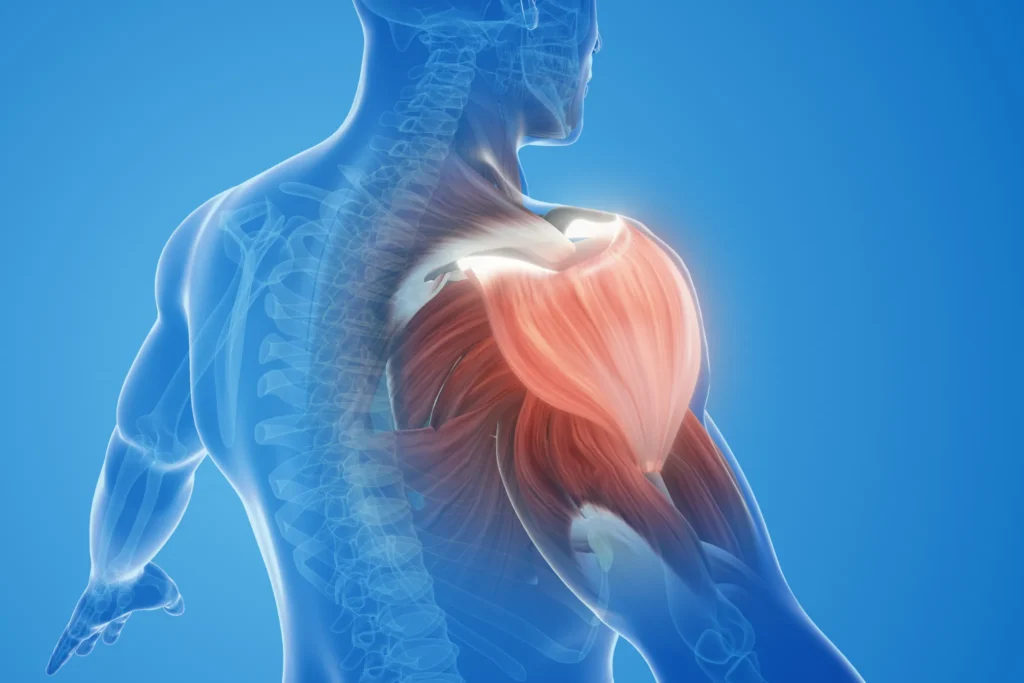
What Is Shoulder Arthritis?
Shoulder arthritis occurs when the cartilage that cushions your shoulder joint begins to wear down, leading to pain, stiffness, and inflammation. As the protective cartilage deteriorates, bone rubs against bone, which can limit motion and affect your quality of life.
The most common type of shoulder arthritis is osteoarthritis, though other forms—such as rheumatoid arthritis or post-traumatic arthritis—can also affect the shoulder. Approximately 32.8% of patients over the age of 60 are affected by osteoarthritis, making it the most frequent cause of disability related to joint conditions in the U.S.
Common Symptoms of Shoulder Arthritis
- Pain with movement or at rest
- Stiffness and reduced range of motion
- Grinding, clicking, or catching sensations
- Difficulty reaching overhead or behind your back
- Pain that worsens with activity or at night
- Swelling or tenderness around the joint
Types of Shoulder Arthritis
- Osteoarthritis (degenerative joint disease): Most common, often age-related
- Rheumatoid arthritis: An Autoimmune condition affecting the joint lining
- Post-traumatic arthritis: Develops after a fracture, dislocation, or injury
- Rotator cuff tear arthropathy: Occurs when a large rotator cuff tear leads to joint damage
Who Is Most at Risk for Shoulder Arthritis?
Age is the primary factor when it comes to the risk of developing arthritis in the shoulder. The percentage of U.S. adults with arthritis increases from 3.6% in ages 18–34 to 53.9% in people aged 75 and older.
While age is the most significant indicator, there are a few other lifestyle and genetic factors that can contribute to a person’s increased risk of joint arthritis, including:
- History of shoulder injuries or surgeries
- Physically demanding jobs or sports
- Inflammatory conditions (i.e., rheumatoid arthritis)
- Family history of joint degeneration
How Is Shoulder Arthritis Diagnosed?
Dr. Mike begins with a detailed medical history and physical exam to assess your range of motion, strength, and areas of tenderness. Imaging may then be performed to determine the depth of your condition. These scans may include:
- X-rays to assess joint space narrowing or bone spurs
- MRI or CT scans (if needed) to evaluate soft tissue damage and inflammation

Treatment Options for Shoulder Arthritis
Fortunately, arthritis of the shoulder is very treatable, and many patients report improvements with the right method.
In most cases, Dr. Mike will begin treatment of arthritis through non-surgical solutions before recommending surgery.
Non-Surgical Treatments
For many patients, the initial goal of treating shoulder arthritis is to effectively manage pain and restore function without the need for surgery.
These non-surgical approaches are the cornerstone of a conservative-first treatment plan, aiming to reduce inflammation, strengthen surrounding muscles, and improve the quality of life by preserving the natural joint for as long as possible. Some examples include:
- Activity modification
- Anti-inflammatory medications
- Cortisone injections
- Physical therapy to maintain flexibility and strength
- Heat or ice therapy
Surgical Treatments
If non-surgical methods fail to improve a patient’s pain levels or their joint function declines, Dr. Mike may recommend a surgical treatment. These carry greater risks and recovery times than non-invasive options; however, the relief advanced arthritis patients experience after surgery is often much more apparent.
Different types of shoulder surgeries exist to tackle the disease at various stages of progression. Common surgical approaches include:
- Anatomic total shoulder replacement (for patients with a working rotator cuff)
- Reverse total shoulder replacement (for patients with a torn rotator cuff)
Dr. Mike specializes in advanced shoulder reconstruction techniques designed to restore motion and reduce pain with the shortest recovery time possible.
What to Expect After Treatment
Recovery depends on the severity of your arthritis and the treatment approach used. Non-surgical patients, for instance, often notice gradual improvement in weeks to months.
Surgical recovery typically involves a structured rehabilitation plan. Most patients progress quickly and return to regular activity within 3–6 months after their shoulder surgery.
Above all else, the one thing our patients can expect throughout and after their treatment is the ongoing support from Dr. Mike and his team, well into and even after their recovery journey.
Why Choose Dr. Mike to Treat Your Shoulder Arthritis?
Dr. Mike—a fellowship-trained shoulder and elbow specialist—and his team are committed to helping you move freely again. We offer personalized treatment plans based on your goals and lifestyle, using a conservative-first approach that prioritizes non-surgical options whenever possible.
If surgery is needed, Dr. Mike brings advanced expertise in total and reverse shoulder replacement to ensure the best possible outcomes. Proudly serving Asheville, Haywood County, and the surrounding region, we’re here to help you find lasting relief from shoulder arthritis—so you can get back to the life you love.

Frequently Asked Questions

Don’t Let Shoulder Pain Limit You
If you suspect you may have a rotator cuff tear, remember that early treatment can make a significant difference. Don’t let shoulder pain limit you. Let Dr. Mike help you move forward with confidence.