
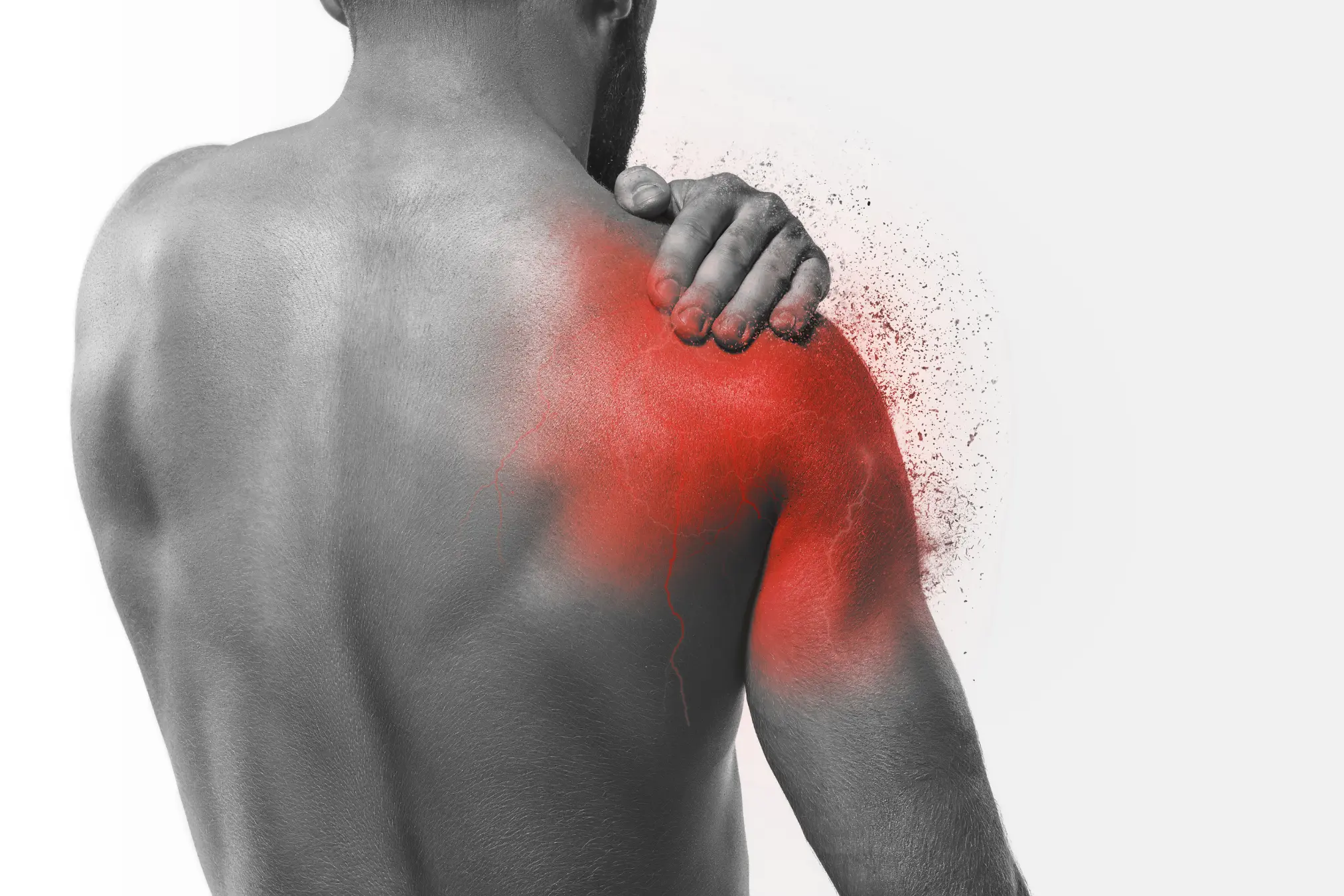
Expert Care for Shoulder Fractures and Traumatic Injuries in Western North Carolina
Accidents happen. What is most important is how you recover. Whether you suffered a fall on the trail, a sports collision, or a sudden accident, fellowship-trained shoulder surgeon Dr. Michael Sirignano provides precise diagnosis, conservative care, and advanced surgical repair to restore strength, motion, and stability.
- Fellowship-Trained Specialist: Advanced training dedicated exclusively to shoulder and elbow conditions.
- Conservative-First Approach: Many shoulder fractures heal effectively without surgery.
- Personalized Rehabilitation: Customized recovery plans designed to get you back to work, sport, and daily life.
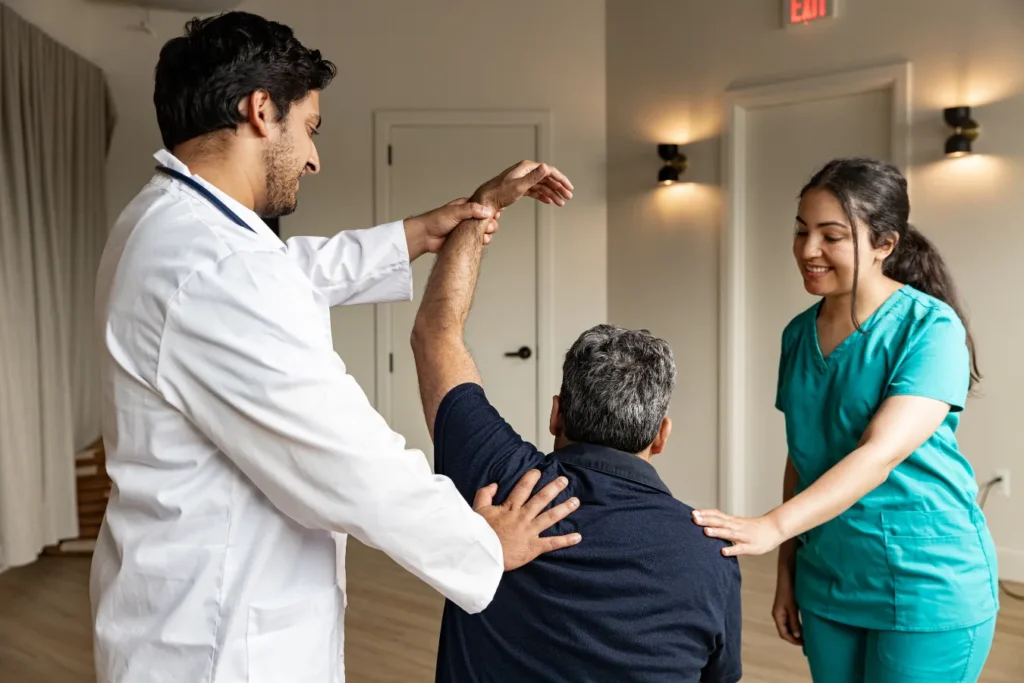
The shoulder is the most mobile joint in the human body, relying on a fine balance of bones, cartilage, ligaments, and tendons. A high-impact collision, a direct blow, or a simple fall onto an outstretched hand is able to disrupt this complex structure.
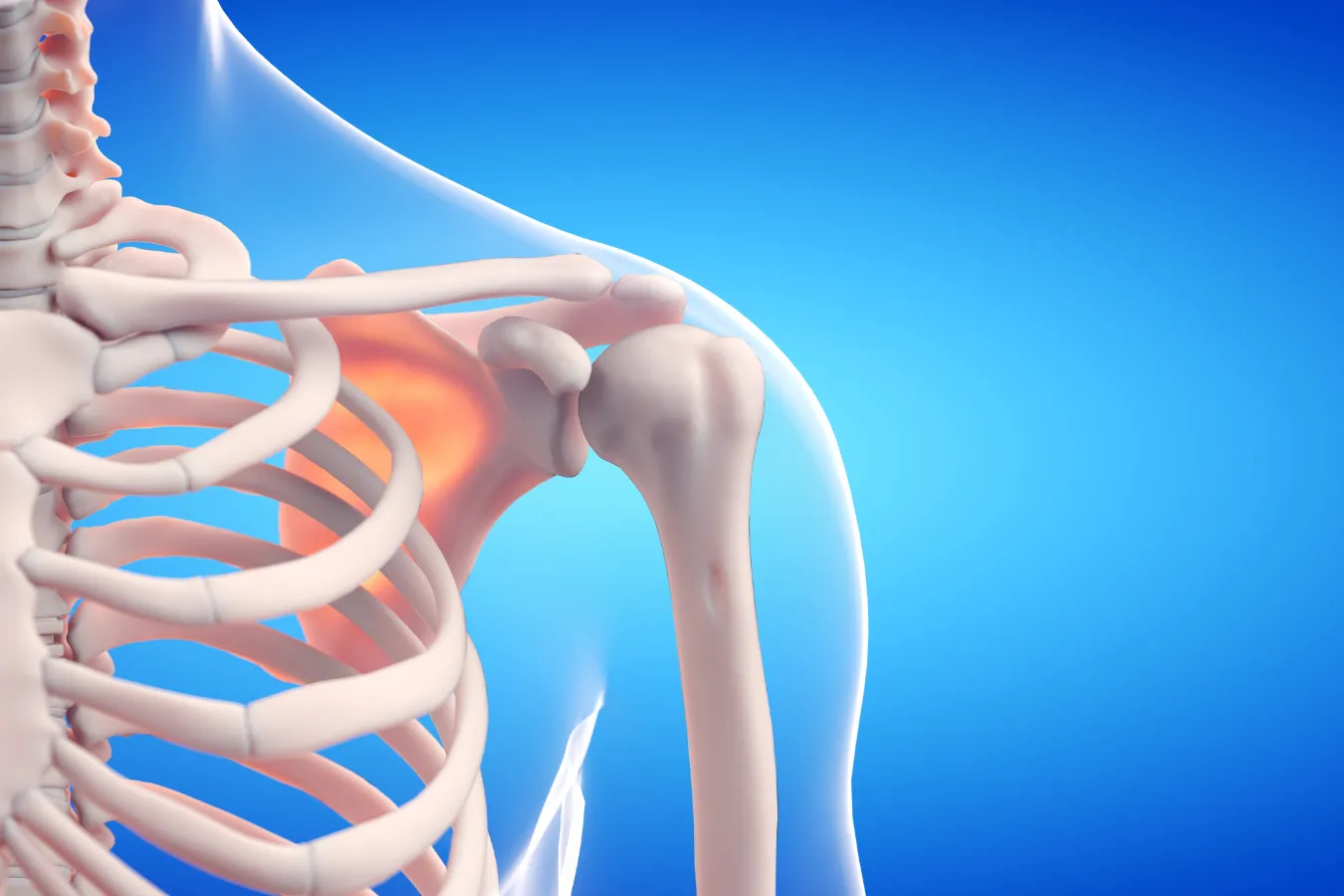
A shoulder fracture occurs when one of the three primary bones making up the joint cracks or breaks:
1. Clavicle (Collarbone): One of the most frequently fractured bones, commonly broken during falls, bicycle accidents, or sports contact.
2. Proximal Humerus (Ball of the Upper Arm): Breaks occurring at the top of the arm bone, especially common in older adults because of reduced bone density, as well as athletes experiencing high-impact falls.
3. Scapula (Shoulder Blade) & Glenoid (Socket): Rare and typically caused by significant trauma, such as motor vehicle accidents or severe falls. When the socket rim (glenoid) fractures, joint stability can be significantly compromised.
In many traumatic injuries, bone fractures are accompanied by soft-tissue trauma, including shoulder dislocations, AC joint separations, and rotator cuff or labral tears. Prompt, specialized orthopedic evaluation ensures that both the bone and the surrounding soft tissues are accurately assessed and treated.
When to Seek Immediate Specialty Care
Shoulder trauma is often immediately obvious, but hairline cracks or complex intra-articular injuries can sometimes masquerade as severe sprains.
Common signs of a shoulder fracture or acute injury include:
- Severe, immediate pain localized to the shoulder or collarbone area.
- Visible deformity, bump, or abnormal positioning of the shoulder or arm
- Inability to lift, rotate, or bear weight with the injured arm
- Rapid swelling, tenderness, and noticeable bruising spreading down the chest or arm
- A grinding, popping, or clicking sensation (crepitus) when attempting to move the arm
- Numbness, tingling, or weakness extending into the arm, wrist, or fingers.
Immediate Alert: If you experience an open wound with visible bone, sudden numbness or loss of sensation throughout your arm, or an absent pulse in your wrist, seek immediate emergency medical care.
Finding the Exact Extent of Injury
Proper treatment begins with pinpoint imaging and an in-depth clinical exam. At Carolina Shoulder, we don’t just ask where it hurts—we evaluate joint stability, neurological function, and the structural integrity of the surrounding rotator cuff.
- Comprehensive Physical Examination: Evaluating skin integrity, neurovascular status (blood flow and nerve sensations), and joint mobility.
- Digital X-Rays: Multiple specialized angles to confirm fracture location, alignment, and displacement.
- Advanced 3D CT Scans: Essential for complex, multi-part fractures or fractures involving the glenoid socket to map out precise bone fragments before treatment planning.
- MRI Imaging: Utilized when severe soft-tissue injury (such as traumatic rotator cuff or labrum tearing) is suspected alongside the fracture.
Non-Surgical Care Comes First
At Carolina Shoulder, surgery is never the default option. Many shoulder fractures—particularly those where the bone fragments remain well-aligned (non-displaced)—heal reliably with structured non-surgical management.
Non-Surgical Management
If your fracture fragments are stable and in good alignment, Dr. Mike prioritizes conservative healing:
- Temporary Immobilization: A specialized sling or shoulder immobilizer protects the bone as initial healing begins.
- Pain & Inflammation Management: Targeted medications, ice protocols, and activity modifications to keep you comfortable.
- Serial Follow-Up Imaging: Regular digital X-rays to ensure the bone remains properly aligned throughout the healing process.
- Early, Guided Physical Therapy: Controlled, progressive range-of-motion exercises introduced at the right biological time to prevent the joint from becoming stiff or developing frozen shoulder.
When Precision Repair Is Required
When a fracture is displaced (bones have shifted out of place), fragmented into multiple pieces, or involves the joint’s articular surface, surgery may be necessary to ensure the shoulder heals correctly and maintains long-term function.
Dr. Sirignano employs state-of-the-art surgical techniques customized to your age, activity goals, and injury pattern:
Open Reduction and Internal Fixation (ORIF)
- What it is: The bone fragments are carefully repositioned into the anatomical alignment and secured with low-profile, contoured titanium plates and specialized screws.
- When it’s used: Commonly indicated for displaced collarbone (clavicle) fractures, mid-shaft fractures, and reconstructible proximal humerus fractures.
- Benefit: Restores exact skeletal anatomy, allows earlier gentle mobility, and reduces the risk of non-union (bones failing to heal).
Shoulder Arthroplasty (Joint Replacement for Severe Trauma)
- What it is: When the upper arm bone (humeral head) is broken into multiple pieces or the blood supply to the bone is compromised (especially in older adults or patients with underlying bone density loss), repairing the pieces may lead to poor outcomes or collapse. In these cases, Dr. Mike specializes in reverse total shoulder replacement or hemiarthroplasty.
- When it’s used: Severe, 3-part or 4-part proximal humerus fractures and fracture-dislocations.
- Benefit: Delivers predictable pain relief, restores functional arm elevation, and bypasses the risk of failed bone fixation.
Arthroscopic-Assisted Fracture & Soft-Tissue Repair
- What it is: Minimally invasive keyhole surgery using high-definition cameras to address associated labral tears, rotator cuff tears, or loose joint fragments.
Healing Timeline: What to Expect
Healing from a fracture is a collaborative process between you, Dr. Mike, and your physical therapy team. While recovery varies based on the specific bone and injury severity, here is a general roadmap:
| Recovery Phase | Timeline | What to Expect |
|---|---|---|
| Phase 1: Protection & Early Healing | Weeks 0–3 | Arm protected in a sling. Focus on managing discomfort, gentle wrist and hand exercises, and passive pendulum movements as cleared by Dr. Mike. |
| Phase 2: Progressive Mobility | Weeks 4–8 | Bone consolidation underway. Sling is gradually discontinued. Active-assisted range-of-motion therapy begins to restore natural movement without loading the bone. |
| Phase 3: Strengthening | Months 2–4 | Progressive resistance training, rotator cuff strengthening, and scapular stabilization exercises. Resume everyday activities and light work duties. |
| Phase 4: Full Return to Activity | Months 4–6+ | Sport-specific conditioning, overhead lifting, and unrestricted daily tasks. Maximum strength and joint remodeling continue over the first full year. |
Why Choose Dr. Mike at Carolina Shoulder?
Recovering from shoulder trauma requires more than standard urgent-care casting; it requires a specialist who understands the detailed biomechanics of the shoulder joint.
- Fellowship-Trained Precision: Dr. Sirignano completed specialized fellowship training at the prestigious Idaho Shoulder and Elbow Research Foundation, giving him advanced expertise in both elaborate reconstructions and joint replacements.
- A Conservative-First Philosophy: We explore non-operative care whenever clinically sound, reserving surgery strictly for cases where it provides a demonstrably better outcome.
- Personalized, Direct Care: You work directly with Dr. Mike to map out your diagnosis, recovery milestones, and physical therapy plan.
- Rooted in Western North Carolina: Serving patients in Asheville, Clyde, and surrounding mountain communities who want to get back to active, independent lifestyles.
Frequently Asked Questions

Don’t Let a Shoulder Injury Put Your Life on Pause
Accidents happen, but lasting shoulder dysfunction doesn’t have to follow. Whether you’ve recently experienced a fall or are seeking a specialized second opinion on fracture care, Dr. Mike Sirignano and the Carolina Shoulder team are here to help you heal with confidence.
Take the next step in your recovery:
- Call our office directly: (828) 452-4131
- Does your injury warrant a visit? Take our 60-Second Shoulder Quiz