

Shoulder Instability & Dislocations
Shoulder instability occurs when the structures that surround the shoulder joint do not work to keep the ball tightly in its socket. If the shoulder is too loose, it may slide partially out of place (subluxation) or completely out of place (dislocation).
Dr. Michael Sirignano specializes in stabilizing the shoulder joint through both advanced physical therapy protocols and minimally invasive surgical techniques.
What Is Shoulder Instability?
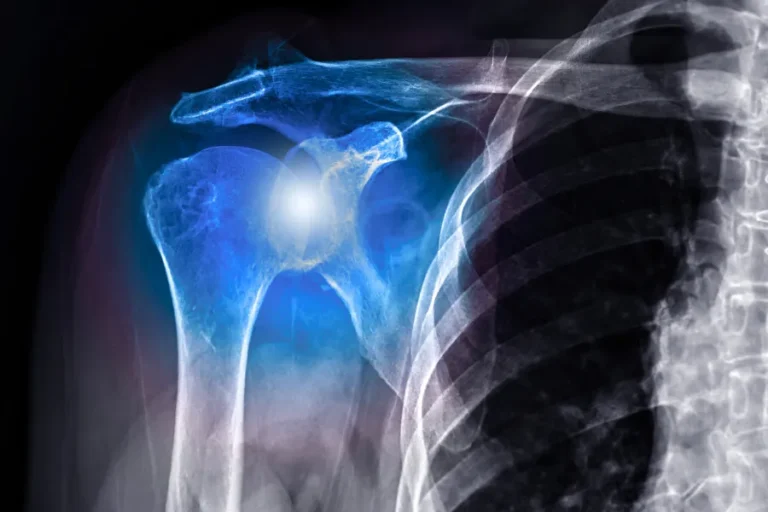
The shoulder is the most mobile joint in the human body, but that mobility comes at the cost of stability. Instability typically happens when the ligaments, gasket (labrum), or capsule that holds the joint together are stretched or torn.
Chronic shoulder instability often follows an initial injury, such as a sports-related fall or a collision, which causes the shoulder to pop out for the first time. Once these tissues are damaged, the shoulder may feel “loose” or continue to dislocate during even minor activities.
Common Symptoms
Identifying instability early can prevent long-term damage to the joint and surrounding cartilage. Common shoulder dislocation symptoms and signs of instability include:
- A sensation that the shoulder is hanging or slipping out of the socket.
- Repeated instances where the shoulder has popped out of place.
- Persistent aching or a ‘dead arm’ sensation after activity.
- Apprehension or fear when moving the arm into certain positions (like throwing or reaching back).
- Swelling, bruising, and intense pain following an acute dislocation.
Causes & Risk Factors
- A sudden, high-force trauma (like a football tackle or a fall) that forces the humerus out of the socket.
- Repetitive strain from sports like swimming, volleyball, or weightlifting, which may stretch out the shoulder ligaments over time.
- Some patients are naturally double-jointed or have naturally loose ligaments throughout the body, leading to instability in multiple directions.
Diagnosis: Identifying Shoulder Instability

Dr. Sirignano performs a comprehensive evaluation to determine the direction and severity of your shoulder instability:
- Specific stress tests to see how much the ball moves within the socket. Also to check for patient apprehension in certain arm positions.
- An MRI or CT scan, to assess the health of the labrum and ligaments and to determine if there has been any bone loss on the socket wall that might require a more complex repair.
- X-rays, which are essential after an acute dislocation to ensure there are no fractures (such as a Hill-Sachs lesion) on the bone.
Treatment Options
Non-Surgical Treatments
For a first-time dislocation or for patients with general shoulder “looseness,” conservative care is often the first step.
- Avoiding high-risk overhead sports or heavy lifting while the joint stabilizes.
- Physical therapy focusing on dynamic stabilizers (the rotator cuff) to compensate for loose ligaments.
- Giving the tissues time to rest and scar down after an acute injury with the use of a sling.
Surgical Treatments
If the shoulder continues to dislocate despite therapy, or if there is a significant tear, surgery may be necessary.
- Arthroscopic Bankart Repair: A minimally invasive procedure to reattach the torn labrum and tighten the shoulder capsule.
- Bone Grafting (Latarjet Procedure): In cases of significant bone loss on the socket, Dr. Sirignano may perform a specialized procedure to restore the bony architecture of the shoulder for maximum stability.
What to Expect After Treatment
Recovery is focused on balancing the return of motion with the need for stability. Post-surgical patients usually spend 4-6 weeks in a sling. Physical therapy gradually progresses from passive motion to active strengthening.
Most patients can return to contact sports within 6 months, provided they have regained full strength and control of the joint.
Why Choose Dr. Mike?
Fellowship-trained in treating both soft-tissue and bony instability, Dr. Mike uses arthroscopic techniques to minimize downtime and preserve muscle function. With protocols designed to get you back to the field, the gym, or the court safely, Dr. Mike and his team address the root cause of the instability to prevent recurring repairs.
Frequently Asked Questions
Don’t Let Your Shoulder Hold You Back
Living with the constant fear that your shoulder might “go out” prevents you from living an active life. Dr. Mike specializes in restoring joint confidence so you can move forward without hesitation.